Home News In Memoriam
In Memory of Rev. Dr. Lawrence Boadt, CSP Print E-mail
Written by Eugene J. Fisher   
July 27, 2010

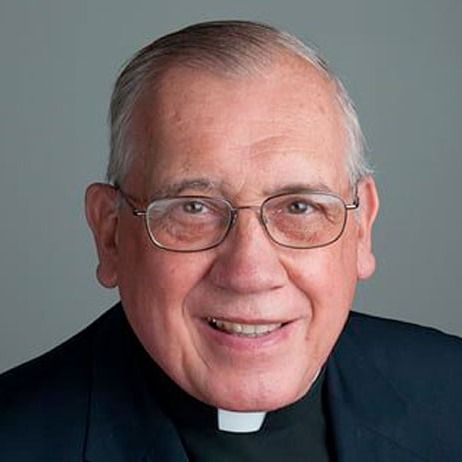
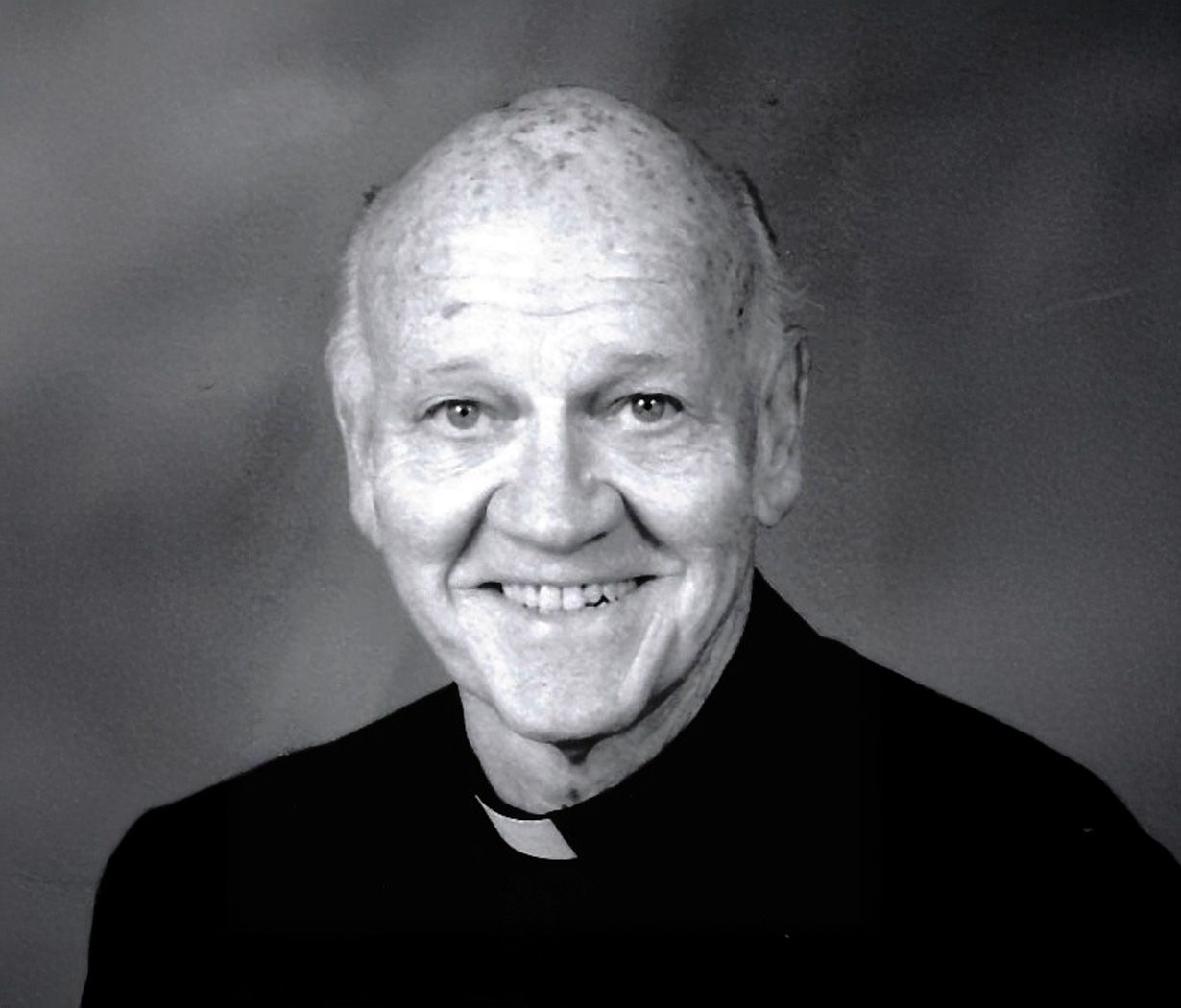
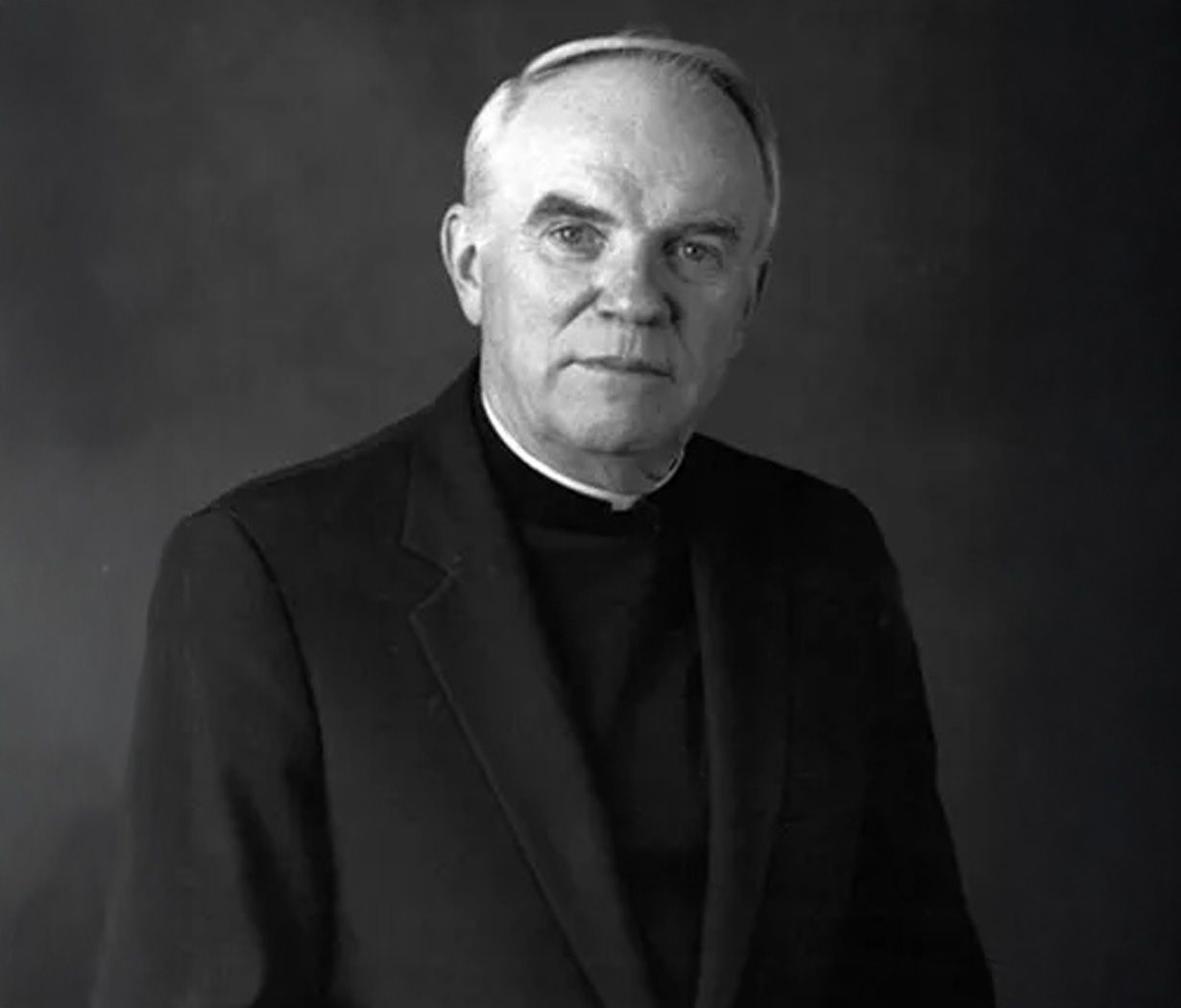
Boadt_LawrenceFr. Lawrence Boadt’s untimely death is a loss for so many of us across the spectrum of not only Catholics but Jews as well.  I have known him as a colleague and as a friend for many years, as an editor for Paulist Press, eager to publish books furthering the cause of Catholic-Jewish relations, my own included, and as a neighbor when he was at the Paulist College across the road from where I worked at the U.S. Conference of Catholic Bishops.   One normally notes the wit and wisdom of a friend and colleague when they pass, but in this case that would be an understatement. 

Larry Boadt excelled.  There is no other word for it. His book on Sacred Scripture, Reading the Old Testament: An Introduction, became a classic in the field and was used in countless seminaries and theology programs at universities. It incorporated the best not only of biblical scholarship but of the critical scholarship of the Jewish-Catholic dialogue, thus putting into reality the great vision of the Second Vatican Council on the renewal of dialogue between the Church, as the People of God, and the Jewish People, as the original and still present People of God. 

I spent much time with my good friend, Larry, while he was in Washington: meals shared, dialogues attended together, phone conversations in which we learned from each other.  When he moved to New York, well, Mahwah, New Jersey, a part of me moved with him.  And he continued as editor of Paulist Press to ensure that high quality books in the field that did not exist when he and I went to college, would be published.  For this reason alone, all Catholics and all Jews involved in or interested in this most historic of dialogues, must enter a note of praise and thanksgiving into the book of life.

May Larry rest in Peace,

And may his name be for a blessing.

Dr. Eugene J. Fisher
Retired, Associate Director,
Secretariat for Ecumenical and Interreligious Affairs
U.S. Conference of Catholic Bishops

 
In Memory of Rabbi Dr. Michael Signer Print E-mail
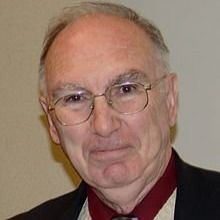
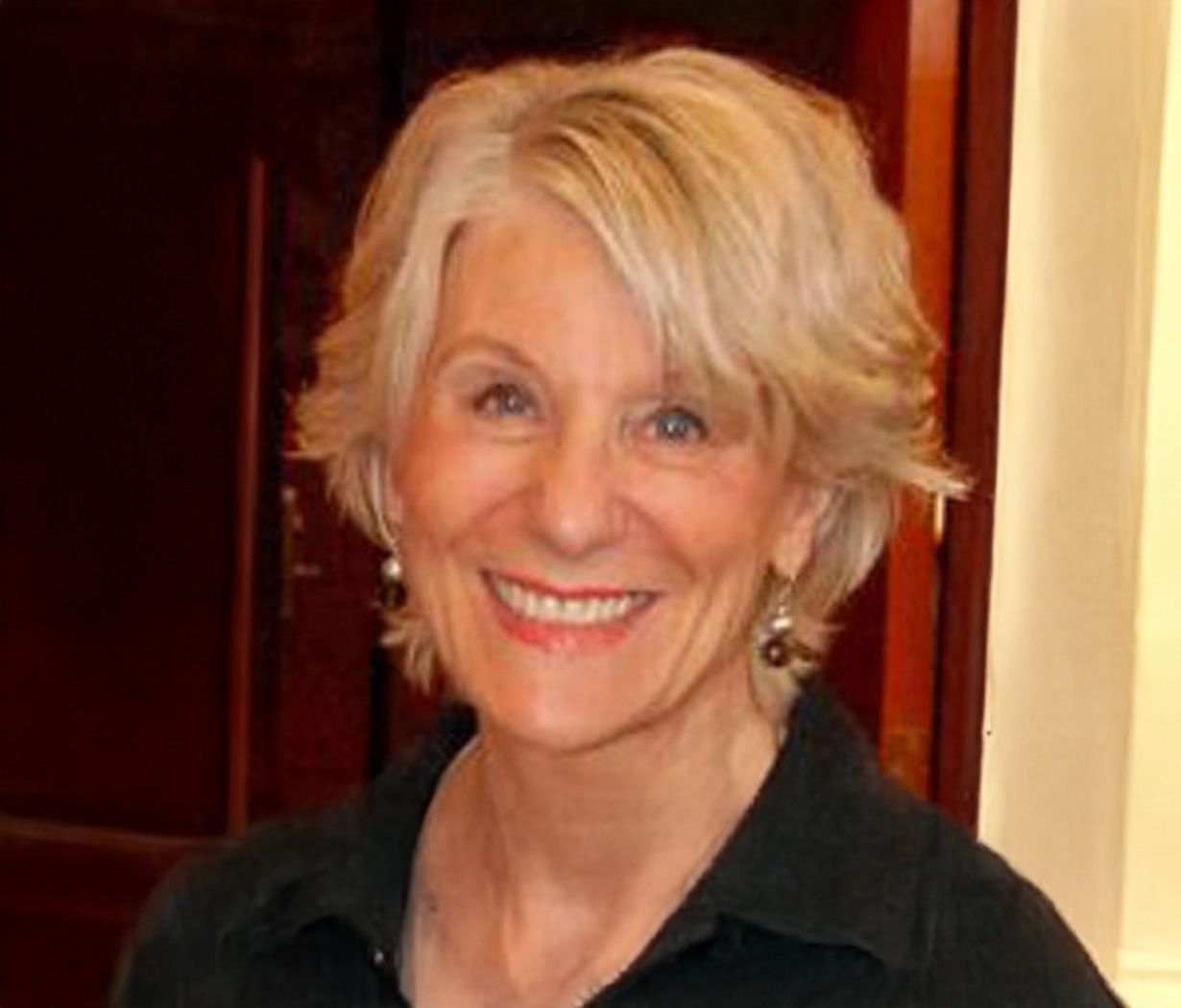
Michael_SignerRabbi Dr. Michael Signer served since 1992 at the University of Notre Dame as the Abrams Chair of Jewish Thought and Culture and Director of the Notre Dame Holocaust Project. Before that he was Professor of Jewish History at Hebrew Union College-Jewish Institute of Religion in Los Angeles.

His interest in interreligious affairs began during his doctoral studies at the Center for Medieval Studies at the University of Toronto, and he later participated in the Priest-Rabbi dialogue at St. John's Seminary, where he and others founded the St. John's/Hebrew Union College academic exchange.

He taught in universities in Berlin and Augsburg, and was an American Jewish Committee Scholar at Catholic Institutions in Poland.

Michael Signer was the author and editor of five books on topics that range from Medieval Latin biblical commentaries to contemporary Jewish-Christian relations, and was one of the four authors of the historic statement, Dabru Emet: A Jewish Statement on Christians and Christianity.

Michael Signer was among the founders of the Council of Centers on Jewish-Christian Relations, and delivered an important paper on Dabru Emet at its first annual meeting on October 28, 2002.

At its 2008 annual meeting, the CCJR unanimously passed a resolution honoring Michael Signer for his many contributions:

  • he served the Council of Centers on Jewish-Christian Relations as Vice-Chair from 2005-2008, providing wise and distinguished leadership to the Council,
  • he has for decades inspired thousands of students at the University of Notre Dame and Hebrew Union College to promote understanding between Jews and Christians,
  • he has significantly advanced the state of Jewish-Christian dialogue through his courageous work on Dabru Emet,
  • he has supported the work of the discussion group "Jews and Christians" of the Zentralkomitee der deutschen Katholiken and of numerous interfaith initiatives in Poland,

For these and other contributions, the Council of Centers expresses its sorrow, but also gratitude, through a Book of Tribute.

Read the dozens of tributes to Michael Signer or post your own memories, reflections, or prayers about him by clicking here.

 
In Memory of Rev. Dr. Franklin Littell Print E-mail
May 27, 2009

The Council of Centers on Jewish-Christian Relations joins the interfaith community in grieving for the loss of a leader in Holocaust Studies, Rev. Dr. Franklin Littell. For over forty years he pursued the implications of the Shoah for Christianity and for Jewish-Christian relations. His obituary from The Philadelphia Inquirer of May. 25, 2009 follows.

Rev. Franklin H. Littell, scholar of the Holocaust

By Joelle Farrell, Inquirer Staff Writer


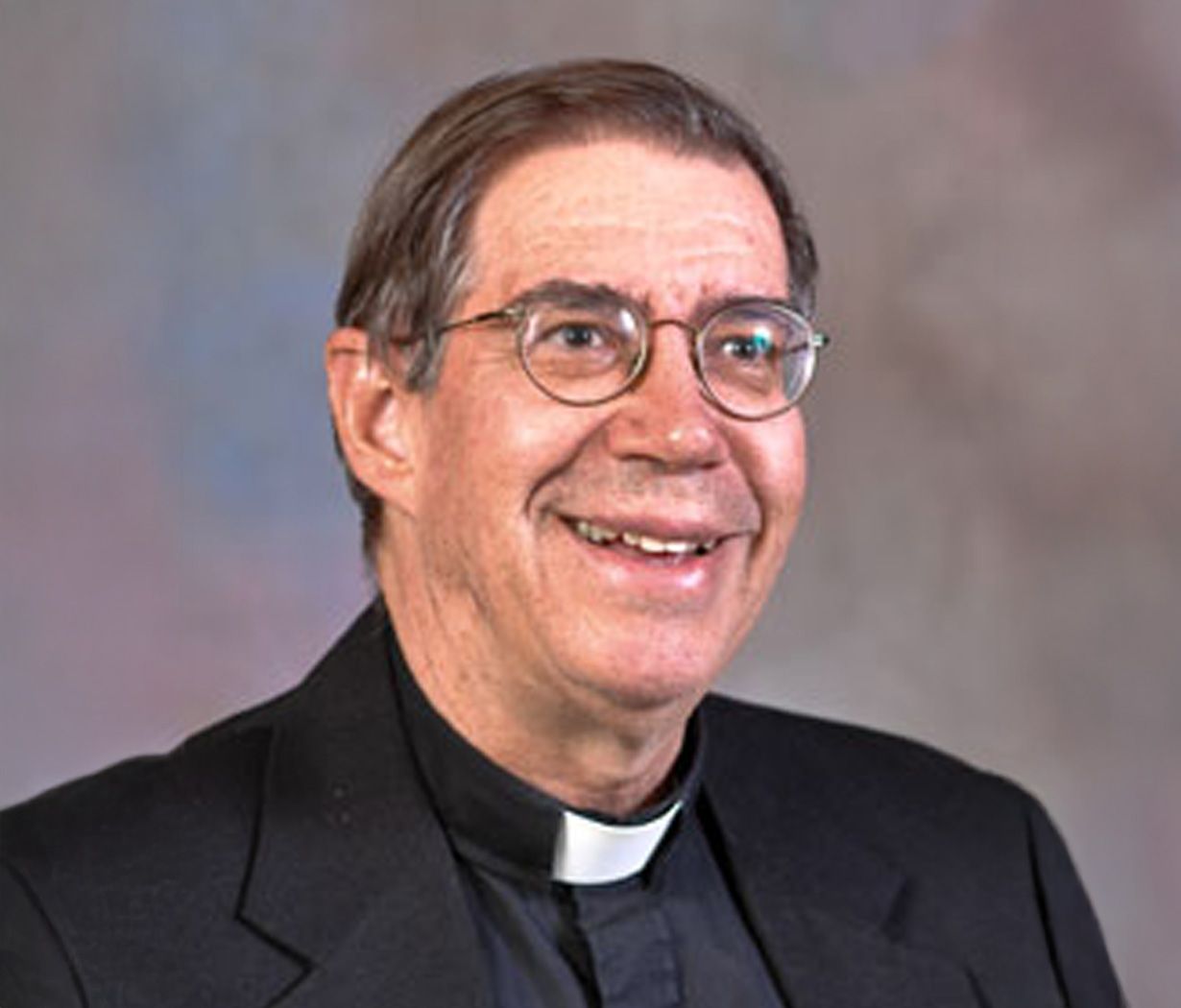
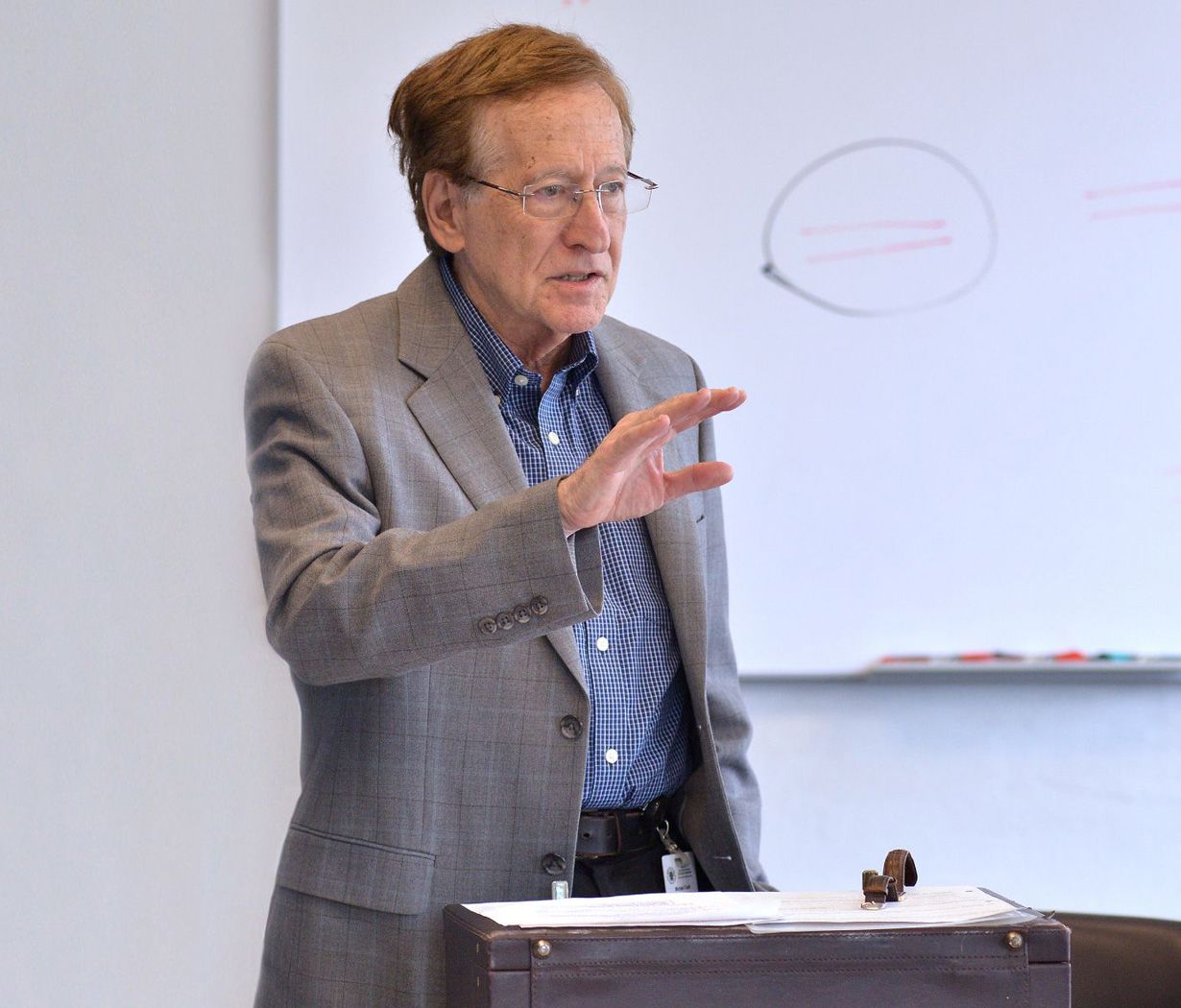
littellThe Rev. Franklin H. Littell, 91, of Merion Station, a Methodist minister widely acknowledged as the father of modern Holocaust studies in America, died Saturday at home after a long illness.

Mr. Littell dedicated his life to Holocaust research after spending nearly 10 years in postwar Germany as chief Protestant religious adviser in the U.S. high command. He was the first American scholar to offer courses on Holocaust and genocide studies, and at Temple University he established the nation's first doctoral program on Holocaust studies in 1976.

His scholarship examined individual responsibility in a free society and sought to encourage interfaith dialogue, especially between Christians and Jews.

Mr. Littell was the author of more than two dozen books and more than 1,000 articles, and was working most recently on his memoirs. He also was an activist who had marched with the Rev. Dr. Martin Luther King Jr. during the civil-rights struggle, said Marcia Sachs Littell, his wife of 30 years.

"He believed you could not hide behind the ivory tower of academia or the sanctity of the church," said Marcia Littell, a professor of Holocaust studies at Richard Stockton College of New Jersey. "You must be actively involved in all that you do."

Born in Syracuse, N.Y., Mr. Littell earned his bachelor's degree from Cornell College in Iowa. He completed his master's degree at Union Theological Seminary in New York and his doctorate at Yale University.

After returning from Germany, Mr. Littell began offering a graduate seminar, the German Church Struggle and the Holocaust, in 1959 at Emory University, the first course of its kind in America.

In 1969, after professorships at Emory, the Perkins School of Theology at Southern Methodist University, and the Chicago Theological Seminary, Mr. Littell joined the Temple University faculty. He retired in 1986.

In 1970, Mr. Littell founded the annual Scholars' Conference on the Holocaust and the Churches, which for the last decade has been based at Saint Joseph's University. His 1975 book, The Crucifixion of the Jews (Harper & Row), was the first work to explore Christianity in response to the Holocaust.

In 1976, in addition to beginning the doctoral program on Holocaust studies at Temple, he founded the National Institute on the Holocaust there.

President Jimmy Carter named Mr. Littell a founding member of the U.S. Holocaust Memorial Council. In 1979, he was the first Christian appointed to the International Governing Board of Yad Vashem, Israel's official memorial to Jewish victims of the Holocaust, in Jerusalem.

Mr. Littell was emeritus distinguished professor of Holocaust and genocide studies at Richard Stockton College and a visiting professor in the Institute of Contemporary Jewry at Hebrew University in Jerusalem for 25 years.

In addition to his wife, Mr. Littell is survived by daughters Jeannie Lawrence and Karen and Miriam Littell; son Stephen; stepsons Jonathan Sachs and Robert Sachs Jr.; stepdaughter Jennifer Sachs Dahnert; and 11 grandchildren.

His first wife, Harriet Davis Lewis, died in 1978.

Burial will be private. A memorial service will be held in the fall. Donations in Mr. Littell's memory may be made to the annual Scholars' Conference on the Holocaust and the Churches, Box 10, Merion Station, Pa. 19066.

 
In Memory of Rabbi Leon Klenicki Print E-mail
January 27, 2009

The Council of Centers on Jewish-Christian Relations joins the interfaith community in grieving for the loss of a pioneer in interreligious relations, Rabbi Leon Klenicki.  For three decades he served as the Interfaith Affairs Director of the Anti-Defamation League, which honored his memory with the following tribute:


ADL Mourns Rabbi Leon Klenicki: Scholar, Theologian and Interfaith Pioneer

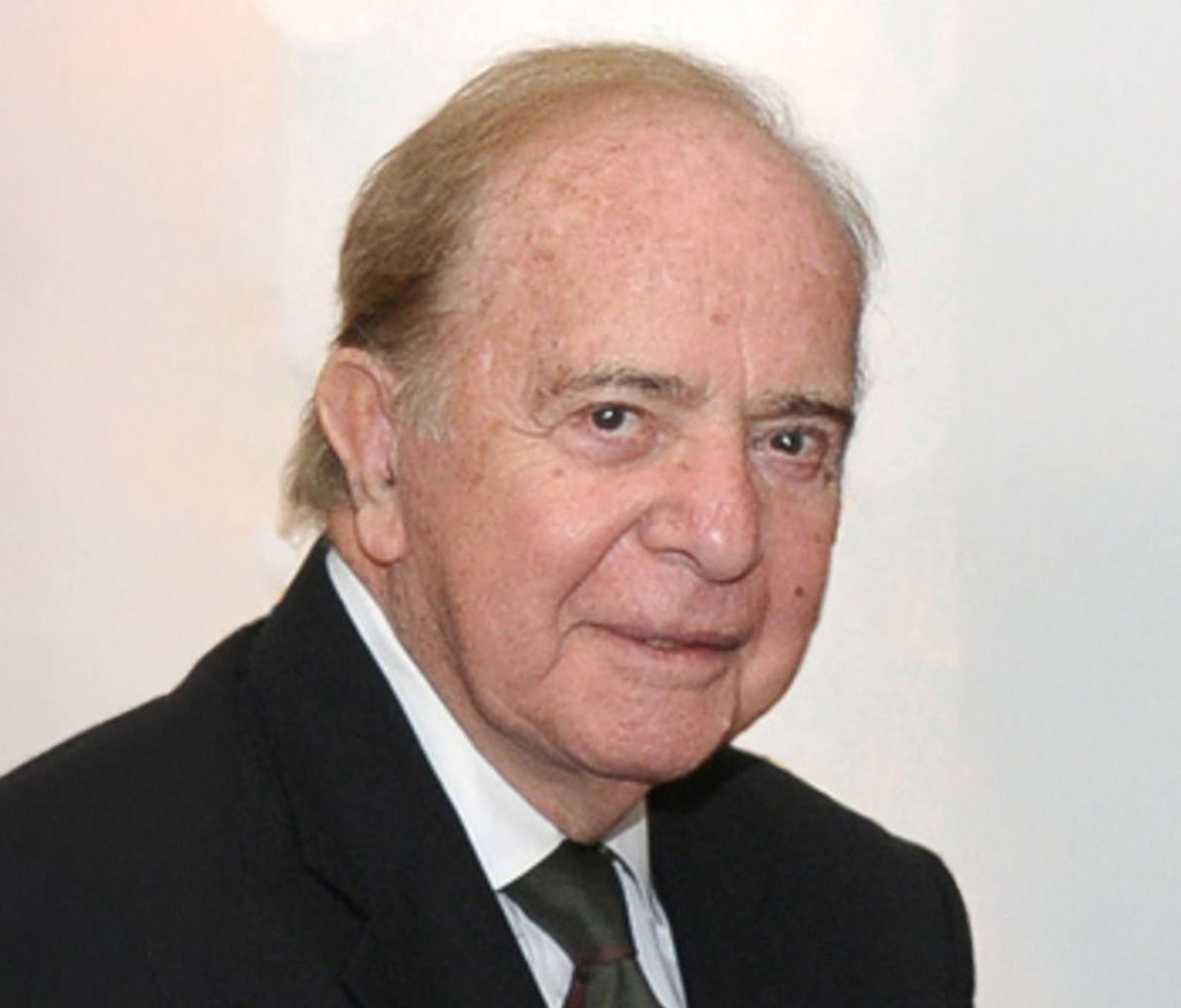
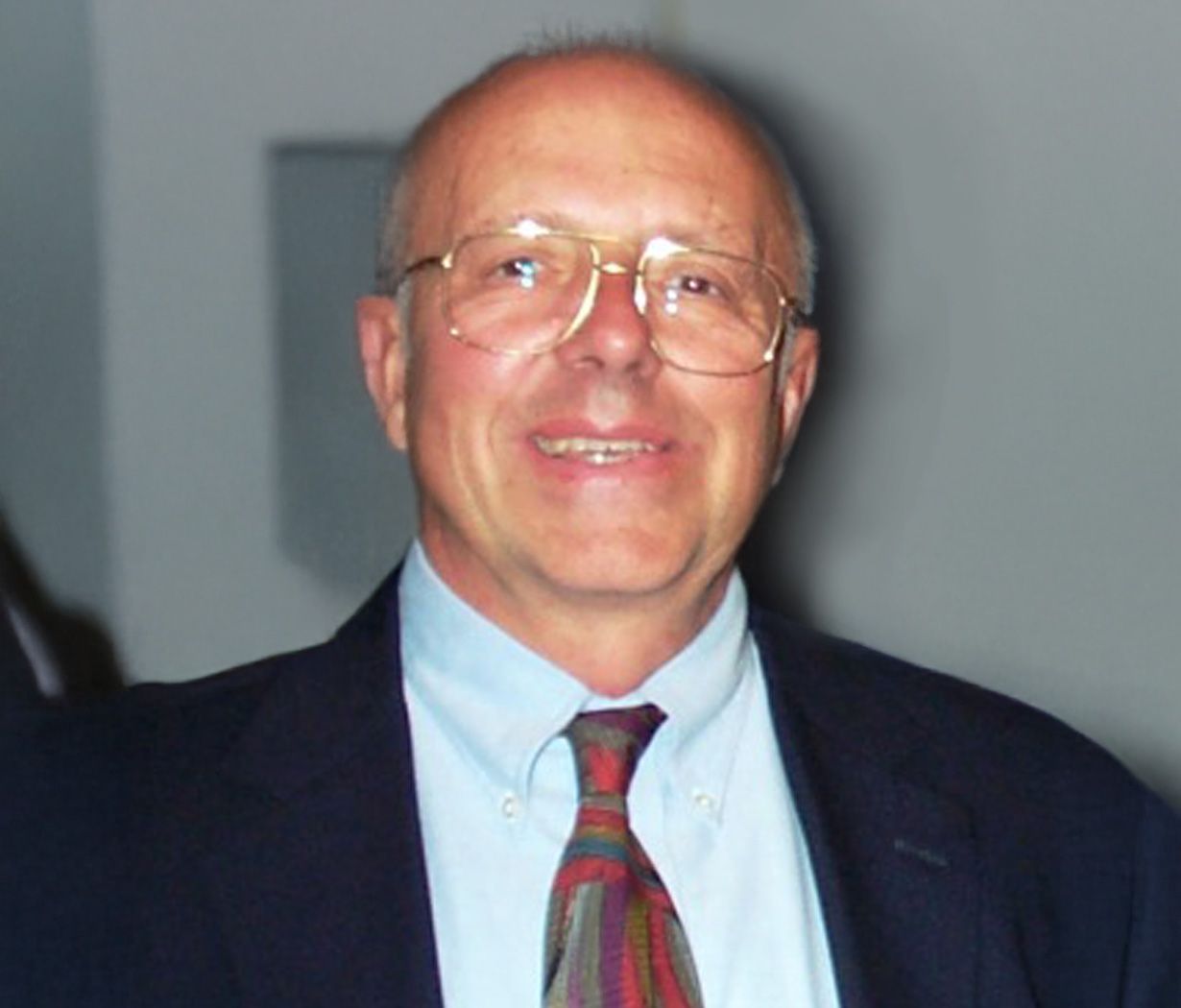
klenickiNew York, NY, January 27, 2009 … The Anti-Defamation League (ADL) mourns the loss of Rabbi Leon Klenicki, the League's longtime Director of Interfaith Affairs and Co-Liaison to the Vatican.  During his more than 30 years at ADL, Rabbi Klenicki worked tirelessly to promote understanding and respect between Christians and Jews while making historic contributions in creating positive relationships between the faiths.

A renowned scholar, theologian and interfaith pioneer, Rabbi Klenicki received many recognitions and awards for his work.  In August 2007, Rabbi Klenicki was made a Papal Knight of the Order of St. Gregory the Great by Pope Benedict XVI, becoming only the second interfaith official to receive papal knighthood.  Later that year he was recognized by the League for his lifetime of dedication and service to ADL and the Jewish community.

"It was truly fortunate and blessed to have Rabbi Leon Klenicki represent us as our Interfaith Affairs Director for a quarter of a century," said Abraham H. Foxman, ADL National Director.  "He could talk to Jews and Christians with equal facility and ease.  It was amazing to witness the depth of respect the Catholic leaders showed Rabbi Klenicki.  This was because he was always honest with them, ready to criticize them when necessary, to praise them when appropriate, and always to be constructive in the relationship."

Following his retirement in January 2001, Rabbi Klenicki continued to write, lecture and teach.  At Cambridge University, England, he taught a summer course on Jewish-Christian liturgy and worship. He lectured at the Graymoor Ecumenical & Interreligious Institute in New York and was a visiting professor at the Leuven Catholic University in Belgium, while serving as ADL's Director Emeritus of Interfaith Affairs.

A native of Argentina, Rabbi Klenicki began his schooling in Buenos Aires and studied philosophy and classics at the University of Buenos Aires.  In 1959, he won a scholarship to study at the Hebrew Union College – Jewish Institute of Religion in Cincinnati, where he completed his rabbinical studies.  He received a B.A. in Philosophy at the University of Cincinnati as well as a Master of Arts in Hebrew Letters and a rabbinical diploma at HUC-JIR in 1967.

In September 1967, Rabbi Klenicki returned to Buenos Aires, where he accepted the position of Director of the Latin American Office of the World Union for Progressive Judaism.  Rabbi Klenicki helped develop Reform Judaism in Latin America and lectured widely at the main Latin American Jewish centers. He also served as an advisor on interfaith affairs for the DAIA, the main Jewish organization in Argentina. In 1968, Klenicki delivered a major paper representing the Jewish community at the first Latin American meeting of Jews and Catholics in Bogota, Colombia organized by ADL and the CELAM (Latin American Episcopal Conference) during the visit of Pope Paul XI to Colombia.

In 1969 he became the spiritual leader of Congregation Emanu-El in Buenos Aires, where he published a prayer book in Spanish and Hebrew – the first printed Reform Book of Prayers in Latin American adapted to the Argentinean Jewish experience.  He also published a Haggadah for the celebration of Passover and co-edited the Reform version of the Mahsor, the prayer book for the High Holidays in Hebrew and Spanish.

In October 1973, Rabbi Klenicki joined ADL as head of the Jewish-Catholic Relations Department. He became Director of ADL's Department of Interfaith Affairs in 1984, and also served as ADL's Co-Liaison to the Vatican.

Rabbi Klenicki is the author and co-author of hundreds of books and papers dealing with the theological and practical aspects of improving relations between Catholics and Jews after nearly two millennia of tragedy.   He was deeply committed to Judaism, the Jewish people and the state of Israel.

"Leon spoke of meeting Pope Benedict XVI when he was Cardinal Ratzinger," Mr. Foxman said.  "He told the then-Cardinal about educational programs on early Christianity and rabbinic Judaism and the presentation of Jews and Judaism which sometimes have been misunderstood and misused to promote anti-Semitism.  This was always a priority for Leon because he had understood the long-term impact of how biblical texts were interpreted."

The United States Conference of Catholic Bishops recommended to all U.S. bishops and cardinals that they observe Holocaust Memorial Day by using as a liturgy the service prepared by Rabbi Klenicki and Dr. Eugene J. Fisher, "From Desolation to Hope: An Interreligious Holocaust Memorial Service."  In May 2001, Rabbi Klenicki was honored by the Holy See's Commission for Interreligious Relations with Judaism for his contributions to the interfaith dialogue.

He is survived by his wife, Myra Cohen Klenicki; his son, Daniel Klenicki; his daughter, Ruth Finkelstein; and his grandson, Eliyahu Finkelstein.